PNHRSPNHRSPNHRS

  • 2023 COMMITTEES
  • NUHRA
  • REGIONS
  • OPPORTUNITIES
  • News
  • About PNHRS
    • Organizational Chart
    • PNHRS
    • Objectives
    • Vision I Mission I Core Values
    • Strategy Map
    • History
    • Implementing agencies
    • Downloads
    • Gallery
    • TWC Update
    • About PNHRS Law
Christine Jane Gonzalez
Latest News
08 July 2019
Hits: 4432

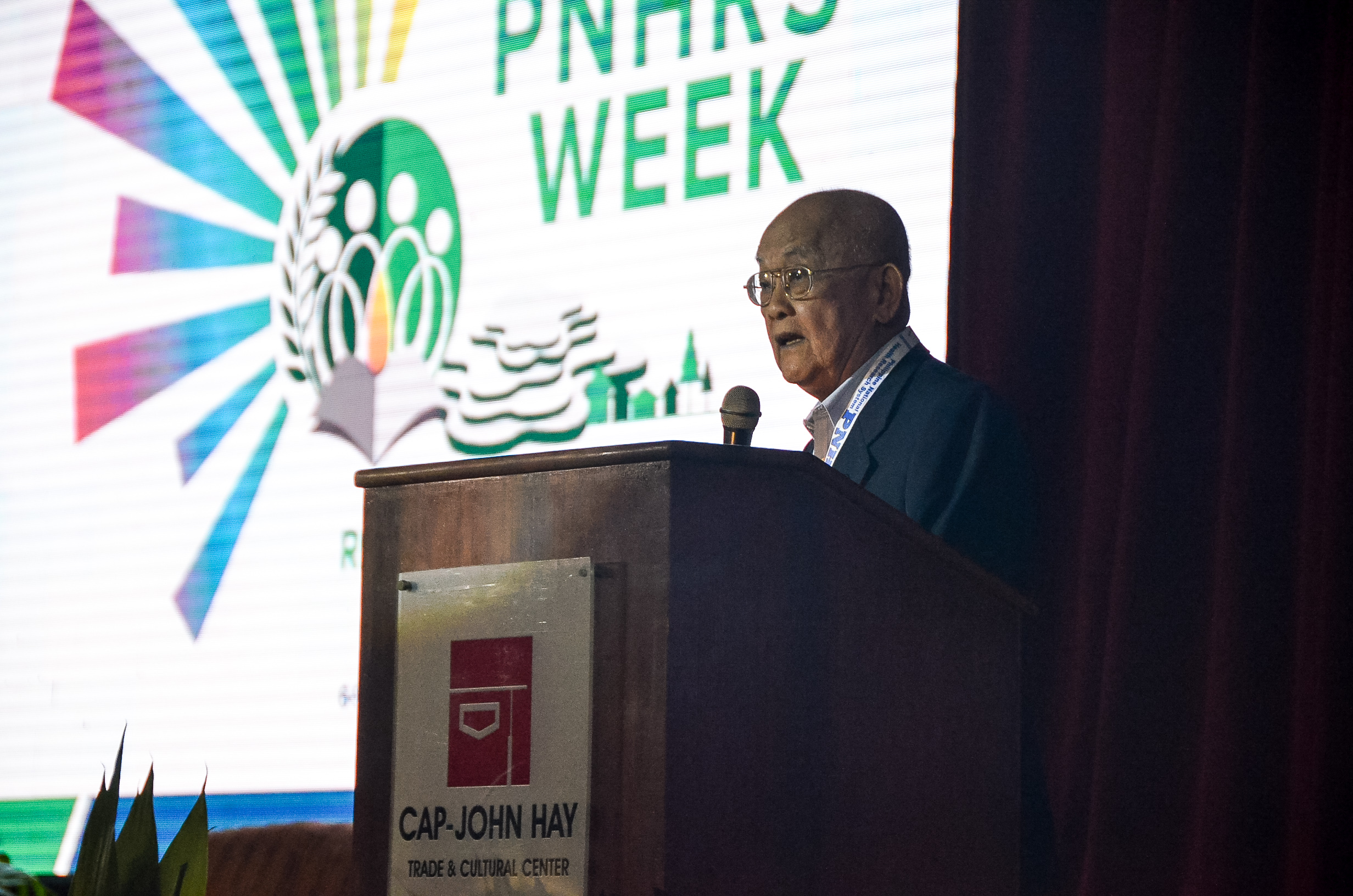
13th PNHRS Week tackles SDGs in health

  • Print
  • Email


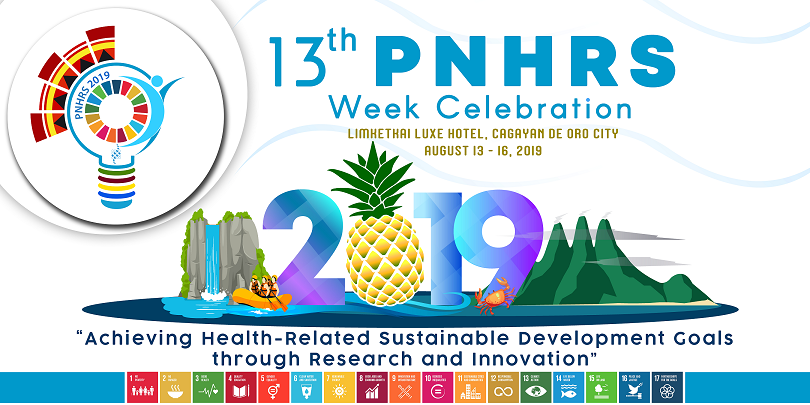
The 13th Philippine National Health Research System (PNHRS) Week celebration comes to the City of Golden Friendship, Cagayan de Oro City on August 13-16.

Hosted by the Northern Mindanao Consortium for Health Research and Development (NorMinCOHRD), this year’s PNHRS Week theme is “Achieving Health-related Sustainable Development Goals (SDGs) through Research and Innovation."   The celebration serves as a platform for the different stakeholders to discuss the current situation, challenges, and advancements related to improving health and equity through reinforced health research and innovation in the regions and local communities.

Plenary and parallel sessions of the main conference will cover topics related to strengthening partnerships and contributing research-based solutions in achieving Universal Health Care and health-related SDGs. Satellite events will feature capacity building sessions for the health research community.

For more information about the PNHRS Week, please visit www.healthresearch.ph.


Latest News
28 March 2019
Hits: 6221

Call for Proposals - ASEAN DxD Initiative

  • Print
  • Email

ASEAN-NDI and ASEAN DxD Hub
Call for Proposals: ASEAN DxD Initiative

The ASEAN Diagnostics Development (DxD) Initiative is pleased to accept R&D project proposals aligned with diagnostics for Dengue, Tuberculosis, Hepatitis B, and Malaria for CY 2019.

The ASEAN Diagnostics Development (DxD) Initiative is a joint program of Philippine’s ASEAN Network for Drugs, Diagnostics, Vaccines, and Traditional Medicines Innovation (ASEAN-NDI) and Singapore’s Diagnostics Development Hub (DxD Hub) which focus to co-develop diagnostic products among ASEAN Member States (AMS) that will address the unmet clinical needs in ASEAN. The initiative was approved by the ASEAN last May 2018 during its COST-74 meeting in Thailand.

The Initiative will give a priority to proposals that are strategically fit and beneficial to ASEAN. Likewise, medical value, workflow efficiency, competitive landscape, and commercial attractiveness in the development of product are important and necessary as the drugs/expected outcome should be market-ready.

We encourage interested participants to submit proposals via email to This email address is being protected from spambots. You need JavaScript enabled to view it. and attach the following documents not later than 31 May 2019:

  • Completed project proposal template of ASEAN DxD Initiative
  • Curriculum Vitae (CV) of team members

Chosen proposals will be co-funded by DxD Hub amounting to $50,000 USD. Visit aseandxd.com for the details of application such as proposal form and evaluation criteria.

Latest News
24 August 2018
Hits: 9963

6 Facts about Breastfeeding

  • Print
  • Email


Pursuant to the Republic Act 10028, otherwise known as the Expanded Breastfeeding Promotion Act of 2009, we celebrate Breastfeeding Awareness Month during August every year to raise awareness and further promote breastfeeding in the country.

Breastfeeding is one of the safest and cost-effective ways to protect babies, young children, and their mothers against morbidity and mortality. As we celebrate the National Breastfeeding Awareness Month, here are some facts you should know about breastfeeding:

  • Infants should be exclusively breastfed for the first six months.

For the first six months of life, newborns must only receive breastmilk without any additional food and water.  Giving water at this early age endangers babies to diarrhea and malnutrition. Children should be breastfed up to two years and beyond.

  • Breastfeeding improves infant and maternal health.

Breastmilk contains nutrients and antibodies which help improve infant’s sensory and cognitive development, and lowers the risk of chronic conditions such as obesity, cholesterol, allergies, diabetes, asthma, cancer, high blood pressure, and pneumonia.

Breastfeeding not only creates a special bond between mother and child but also helps mothers to reduce the risk of breast cancer and ovarian cancer.

  • HIV transmission through breastfeeding can be reduced with drug treatment.

HIV positive women can pass on the virus during pregnancy, childbirth, or breastfeeding. Infected women produce lower levels of protective antibody that fights diarrhea and other respiratory infections. However, the World Health Organization (WHO) advised infected women or their infant to undergo antiretroviral treatment throughout the breastfeeding period until the infant reach 12 months old to reduce the risk of transmitting HIV.

  • Complementary foods are advisable in addition to breastmilk.

Complementary feeding is the transition from exclusive breastfeeding to family foods. Appropriate complementary foods should be added to the child’s diet if the breastmilk is no longer enough to meet the child’s nutritional requirements which covers the period from six months and above. Foods must be prepared safely with right amount and texture according to child’s age.

According to the World Health Organization, in addition to breastmilk, “Infants should start receiving complementary foods at 6 months, initially 2-3 times a day between 6-8 months, increasing to 3-4 times daily between 9-11 months and 12-24 months with additional nutritious snacks offered 1-2 times per day, as desired.”

  • Infant formula is not recommended as replacement for breast milk.

The Revised Implementing Rules and Regulations of Executive Order No. 51 in the country, otherwise known as ‘Milk Code’ does not recommend infant or formula milk as replacement food for infants. Formula milk is harder to digest than breastmilk. It can be easily contaminated due to unpurified water, unsterilized containers and utensils, or even due to existing bacteria in the formula.  Although breastmilk has been replicated, the nutrients it contains are not enough for child’s health needs.

  • Breastfeeding, working moms are supported by law.

The Expanded Breastfeeding Promotion Act requires all health and non-health facilities and establishments to allocate space for lactation stations. The Act gives breastfeeding mothers additional break in addition to the regular time-off for meals to express their breast milk.

The Philippine Council for Health Research and Development (PCHRD) supports the programs and advocacies on proper breastfeeding.  

In fact, the National Unified Health Research Agenda (NUHRA), the consolidation of health research priorities of the country, identifies the importance of breast feeding research under the Research to enhance and extend healthy lives research priority area.

The Council supported a research program entitled, “Influences of Maternal Dietary Intake and Nutritional Status on the Microbiological and Chemical Compositions of Breast Milk from Selected Lactating Filipino Women at 0 to 4 Months Post-Partum” which aimed to establish the factors affecting the composition, physicochemical characteristics, and the microbiology of breast milk obtained from Filipino lactating women.

With the existing policies and laws, the Council looks forward to supporting more researches and programs that will benefit mothers and babies.

For more information about NUHRA and the priority areas, download the NUHRA now!


Details
Written by Lemuel Basierto
Created: 24 August 2018

Latest News
11 March 2019
Hits: 3288

37th PCHRD Anniversary fetes health research in industry 4.0

  • Print
  • Email

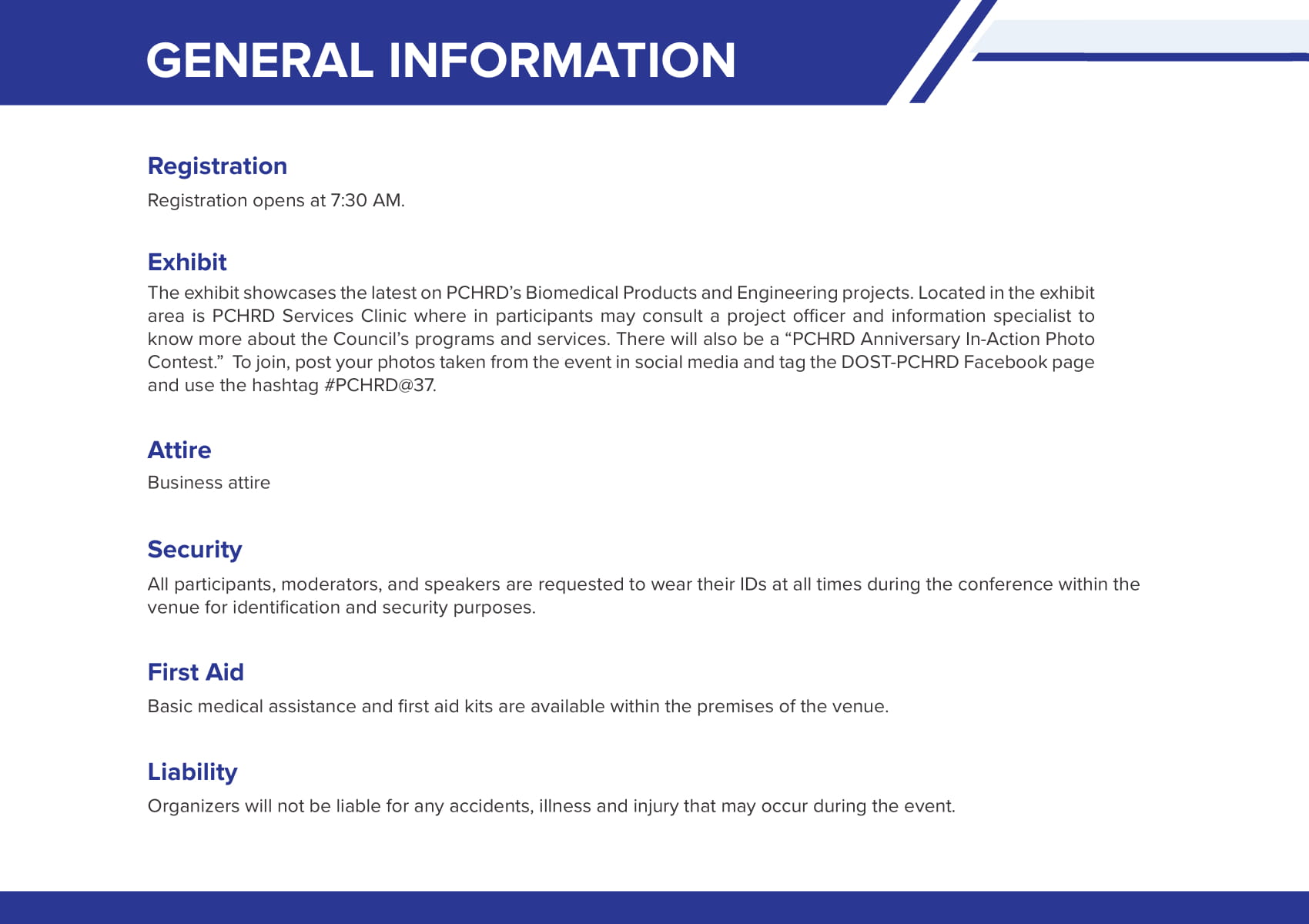
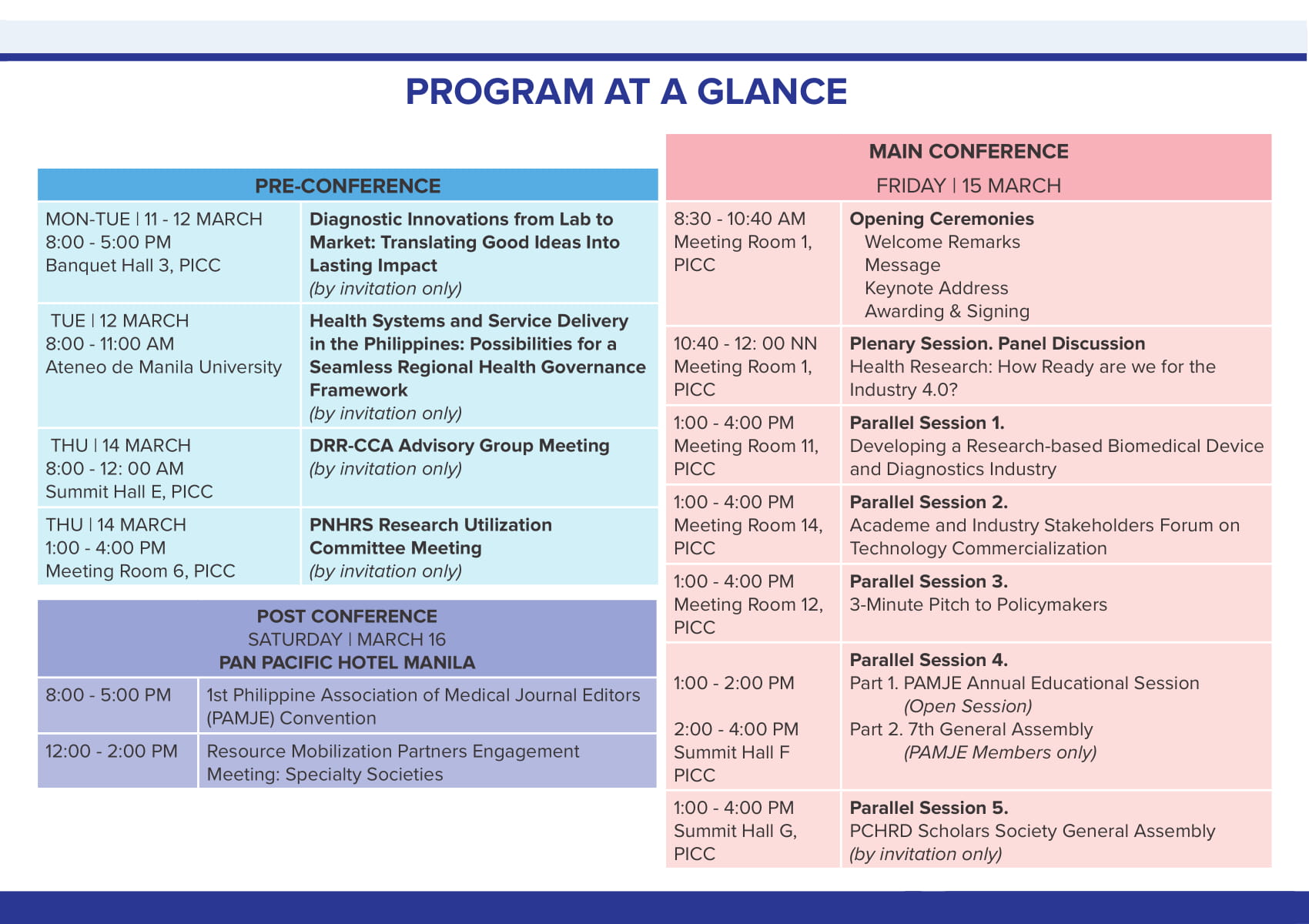
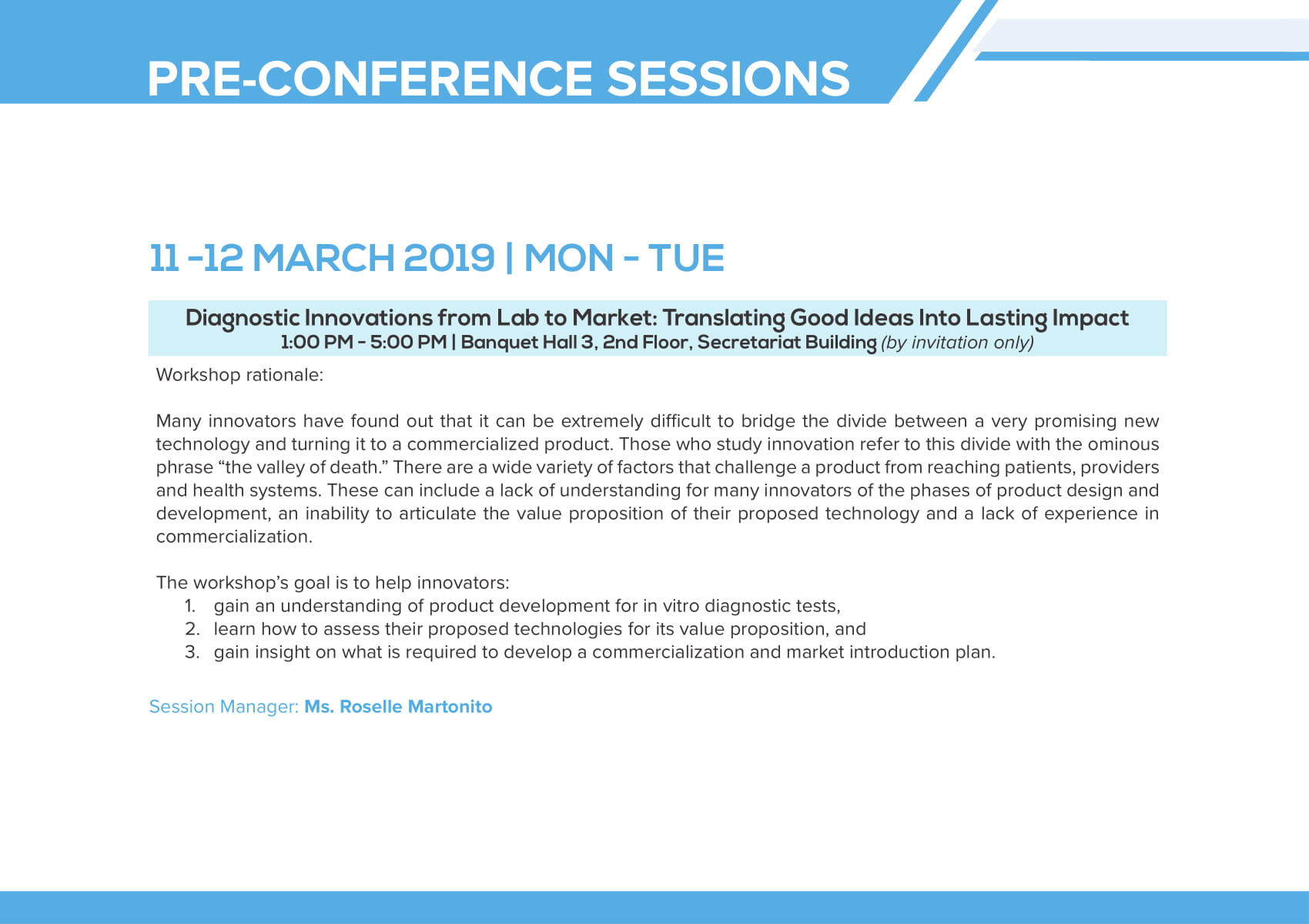
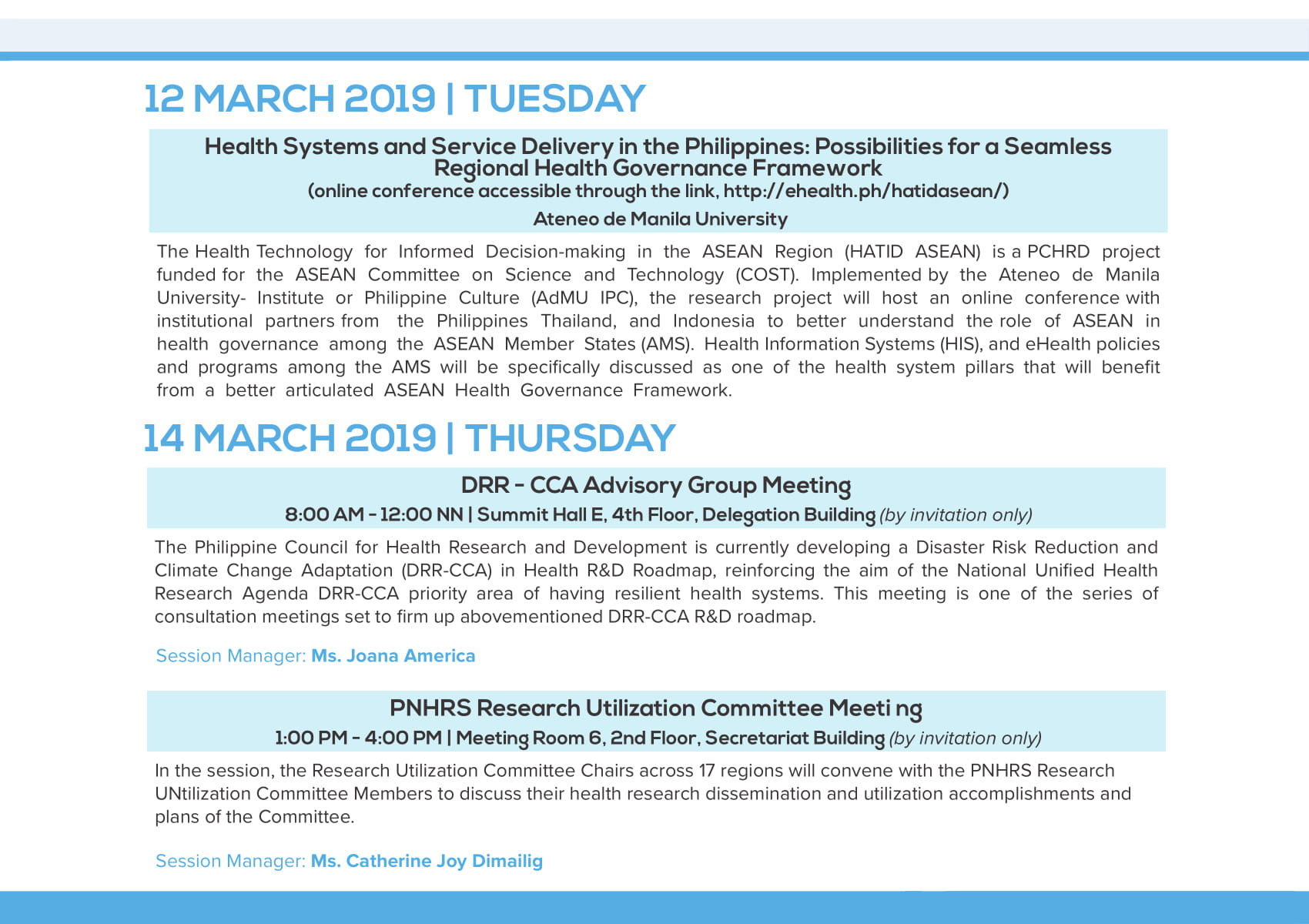
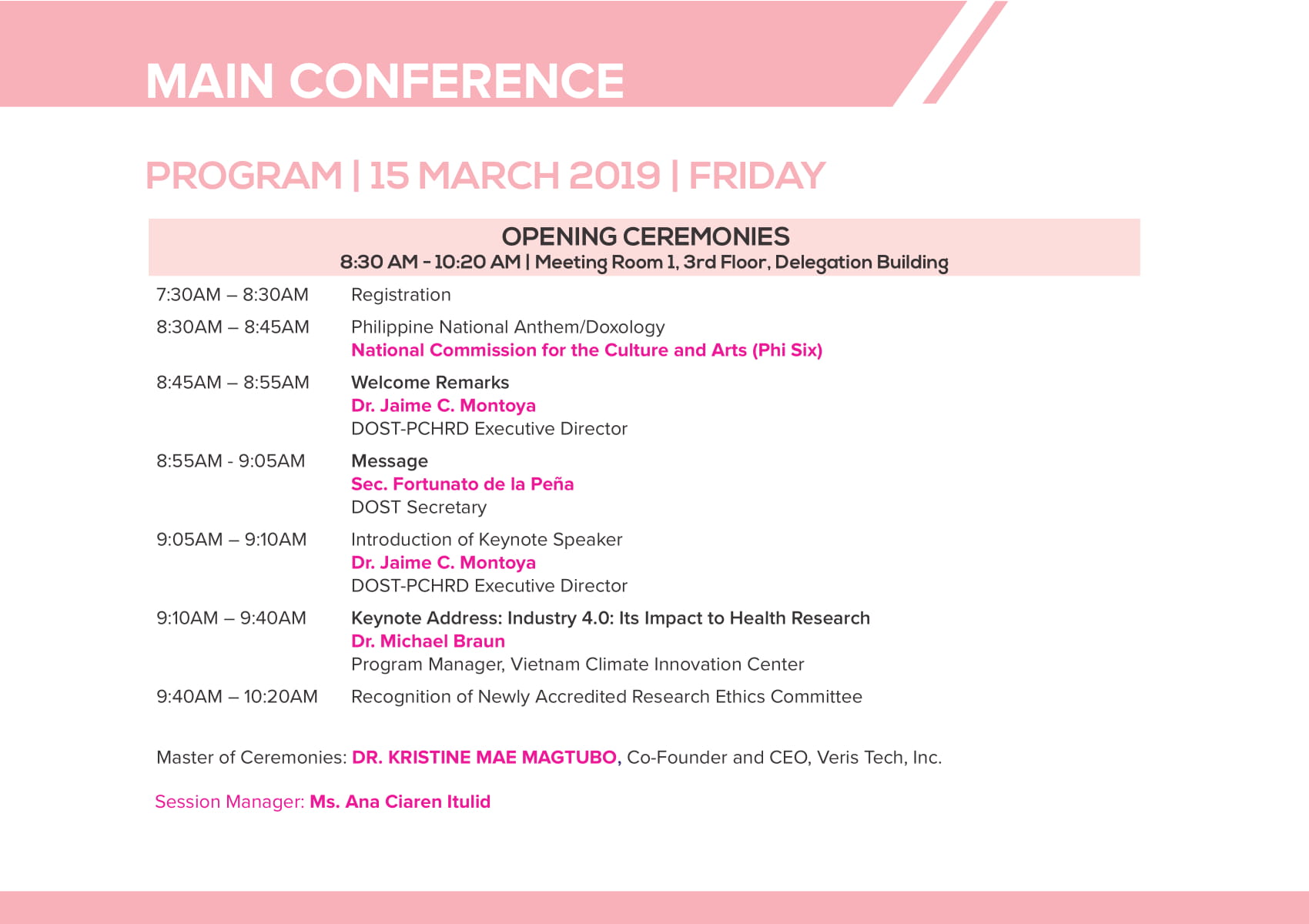
In conjunction with its 37th year Anniversary, the Philippine Council for Health Research and Development of the Department of Science and Technology holds the International Conference on Health Research and Industry 4.0 on 15 March 2019 at the Philippine International Convention Center (PICC), Pasay City.

Bannered by the theme, “Health Research and Industry 4.0,” the event will tackle issues and the opportunities that confronts the health research landscape in the face of Industry 4.0. It will bring international experts to showcase what others are doing under Industry 4.0, particularly for the health field. Expected participants include the academe, policymakers, private sector and civil society representatives will have opportunity for conversation on how we can take advantage of the opportunities and manage the risks emerging from Fourth Industrial Revolution (FIRe).

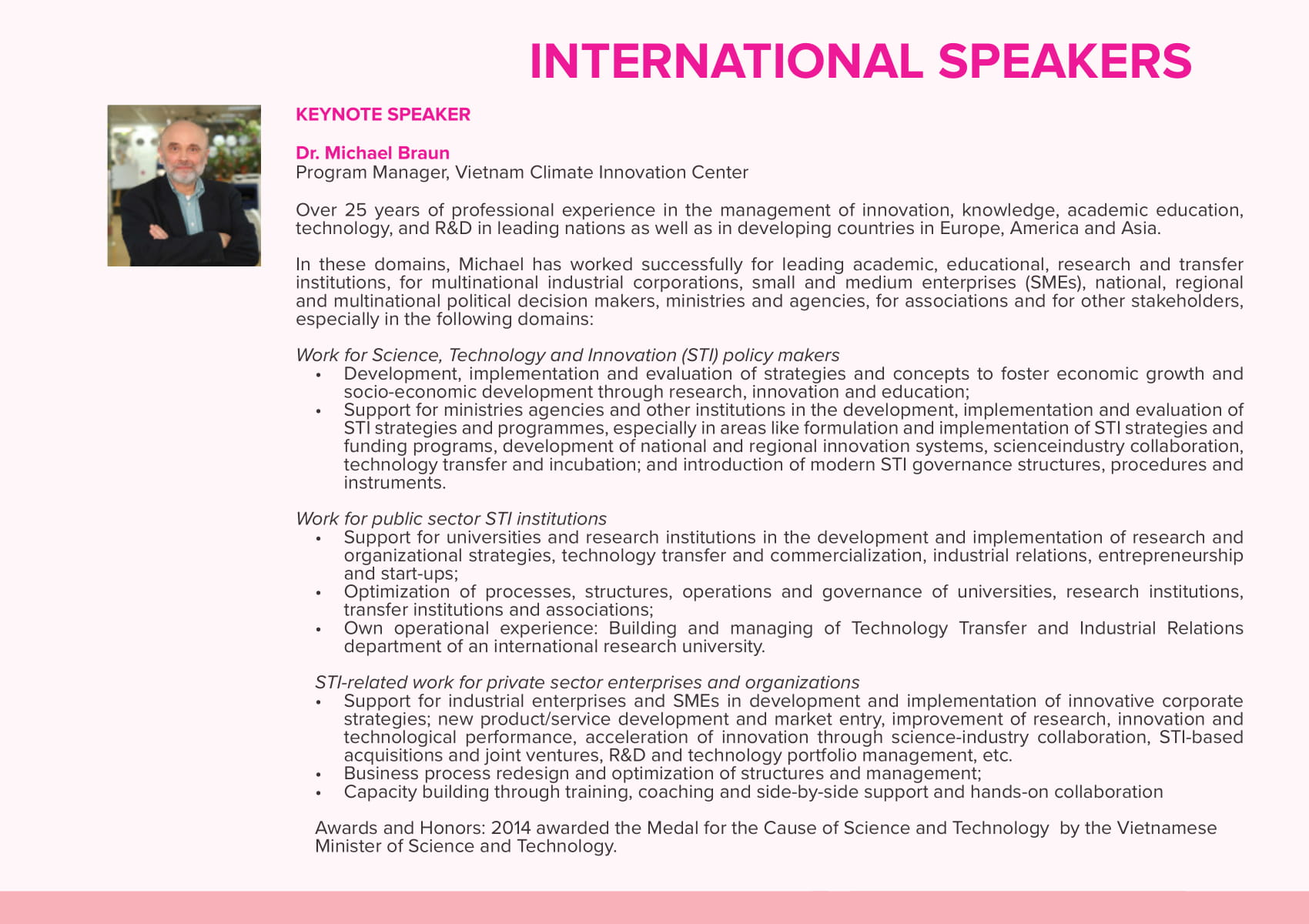
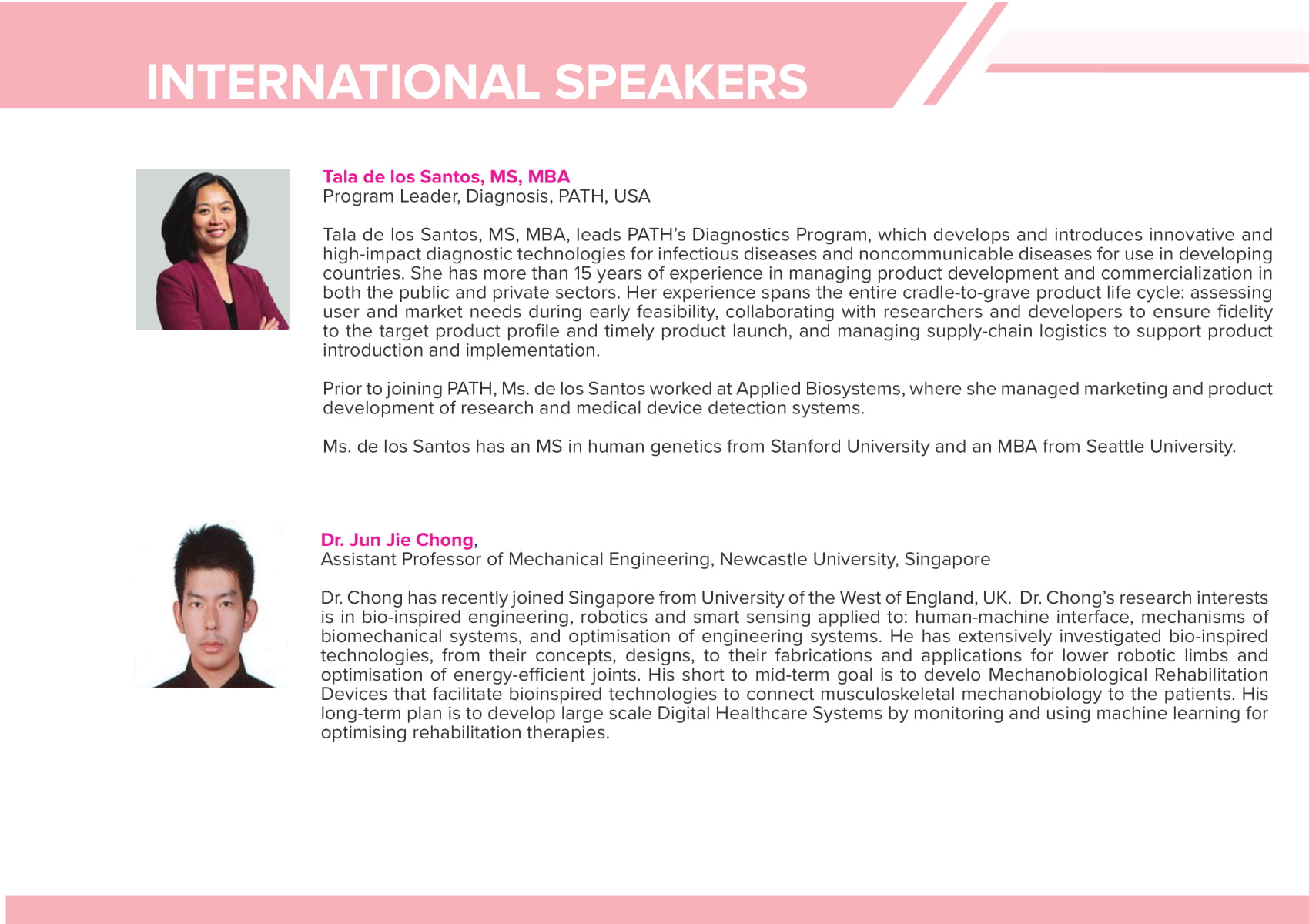
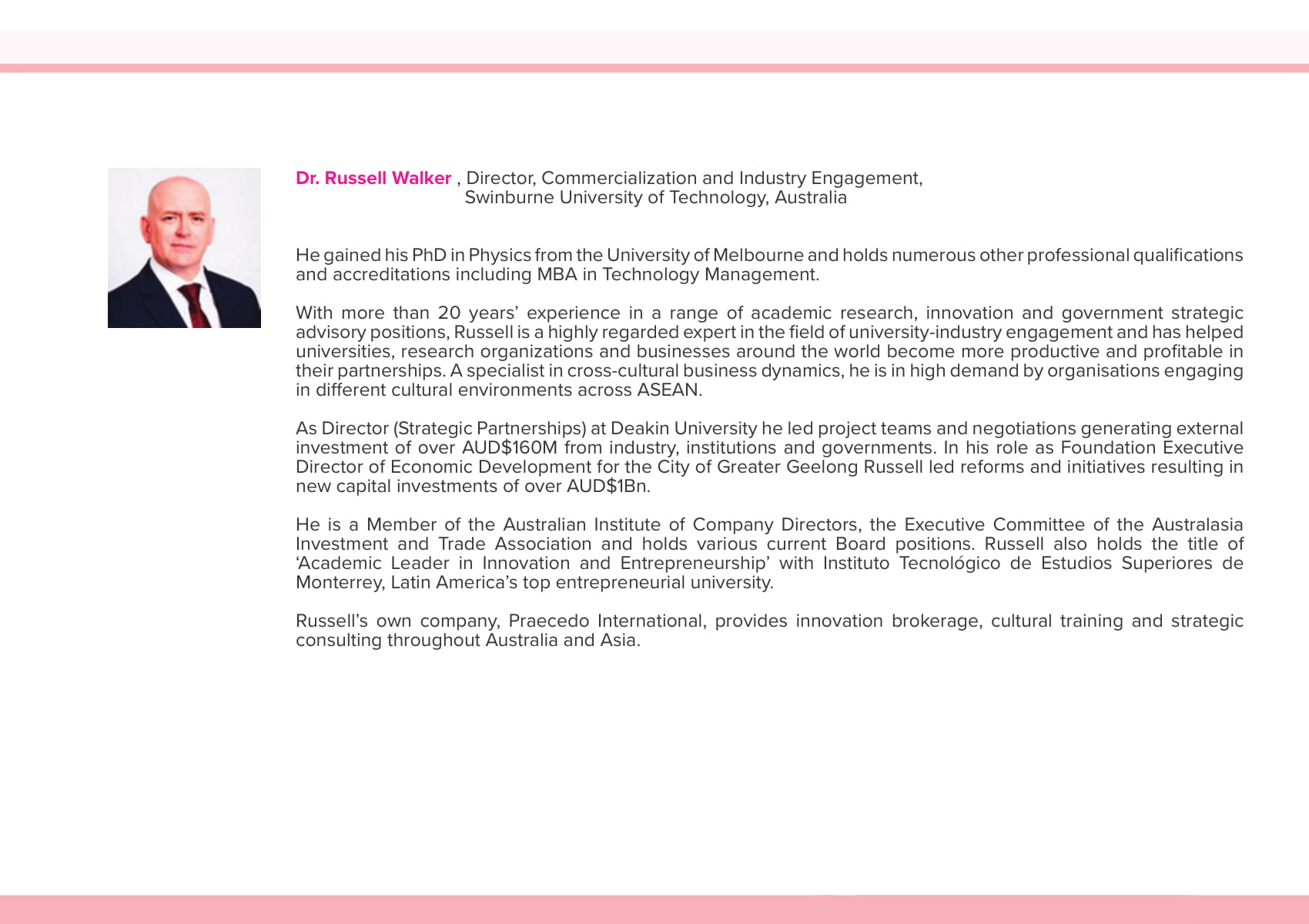
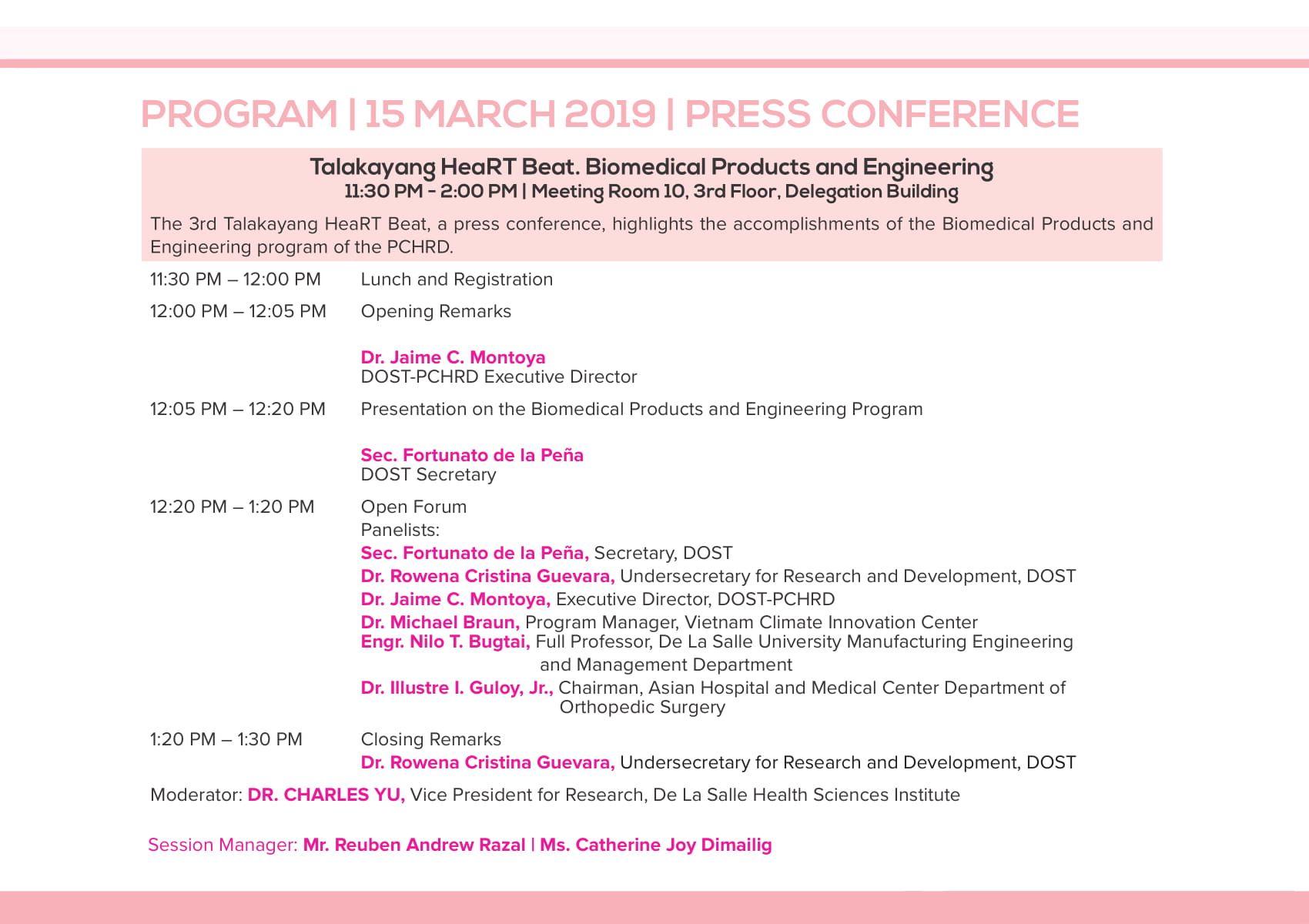
To deliver the keynote address is Dr. Michael Braun, Program Manager from the Vietnam Climate Innovation Center. He has over 25 years of professional experience in the management of innovation, knowledge, academic education, technology and R&D in leading nations as well as in developing countries. Other international speakers are Dr. Junjie Chong from Newcastle University UK, Ms. Tala de los Santos from PATH, USA, and Dr. Russell Walker from Swinburne University.

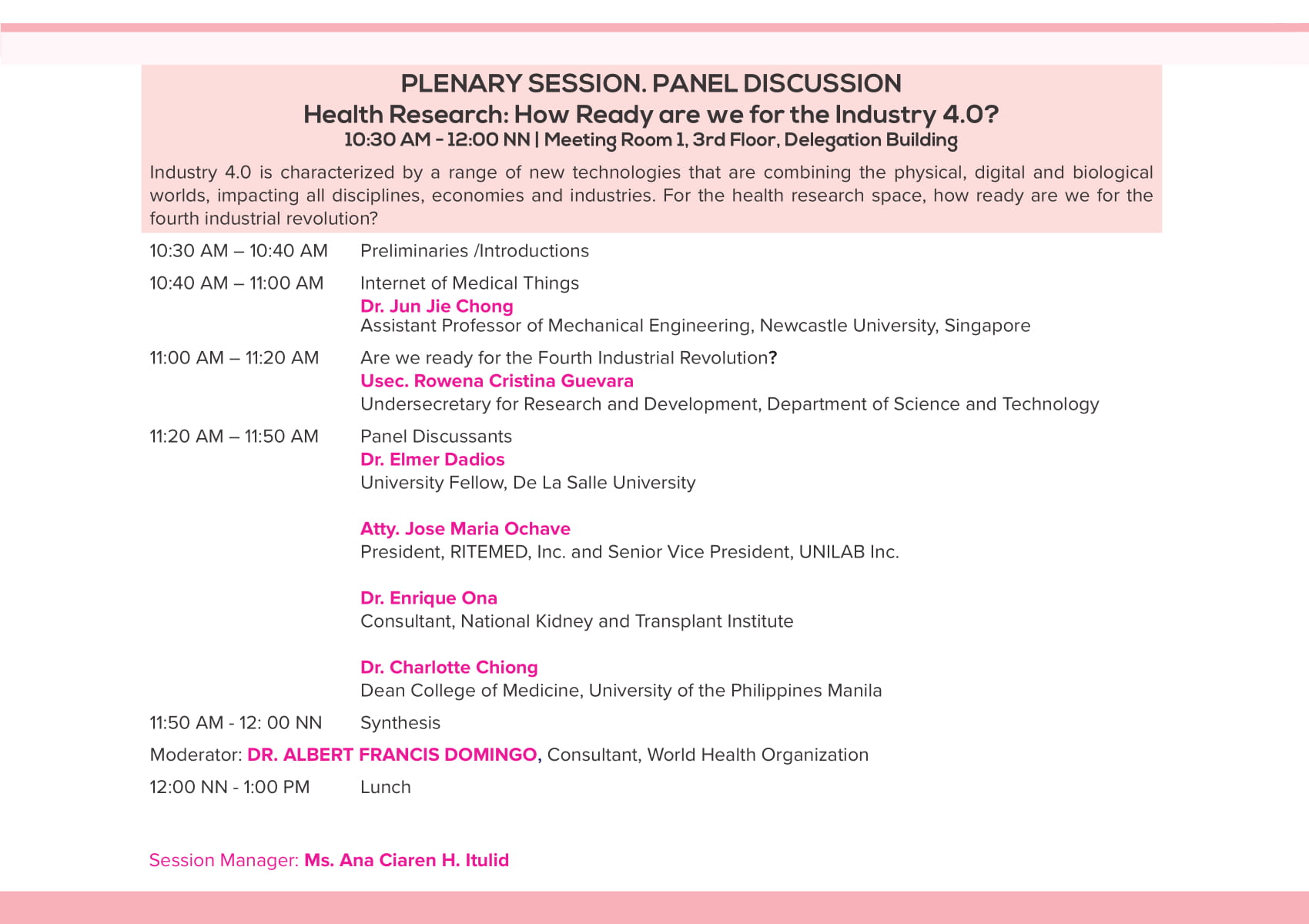
Highlight of the program is a panel discussion on the readiness of the health research sector in the coming of the fourth industrial revolution with the resource speakers Dr. Jun Jie Chong from Newcastle University and Dr. Rowena Cristina Guevara, Undersecretary for Research and Development of the Department of Science and Technology.

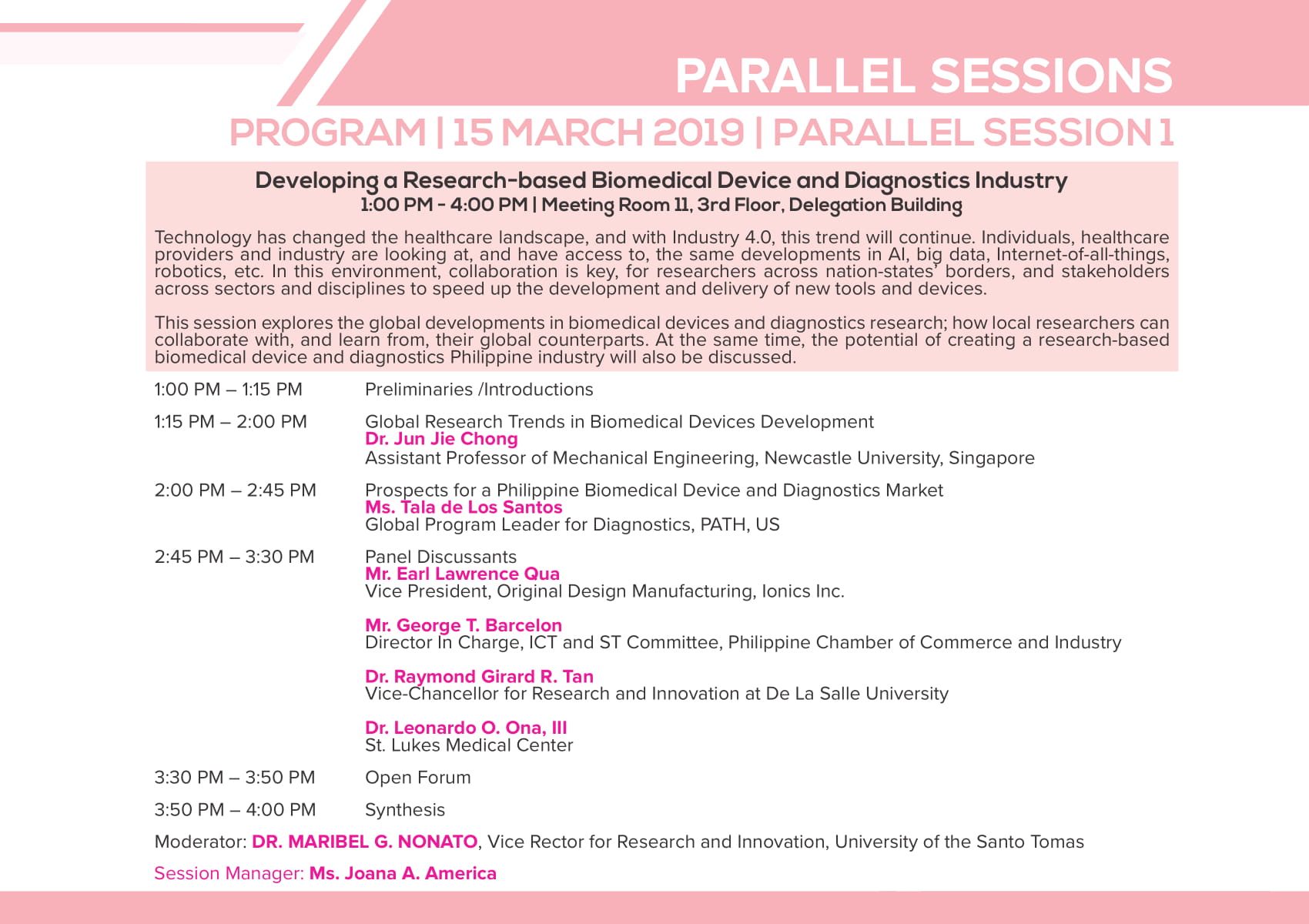
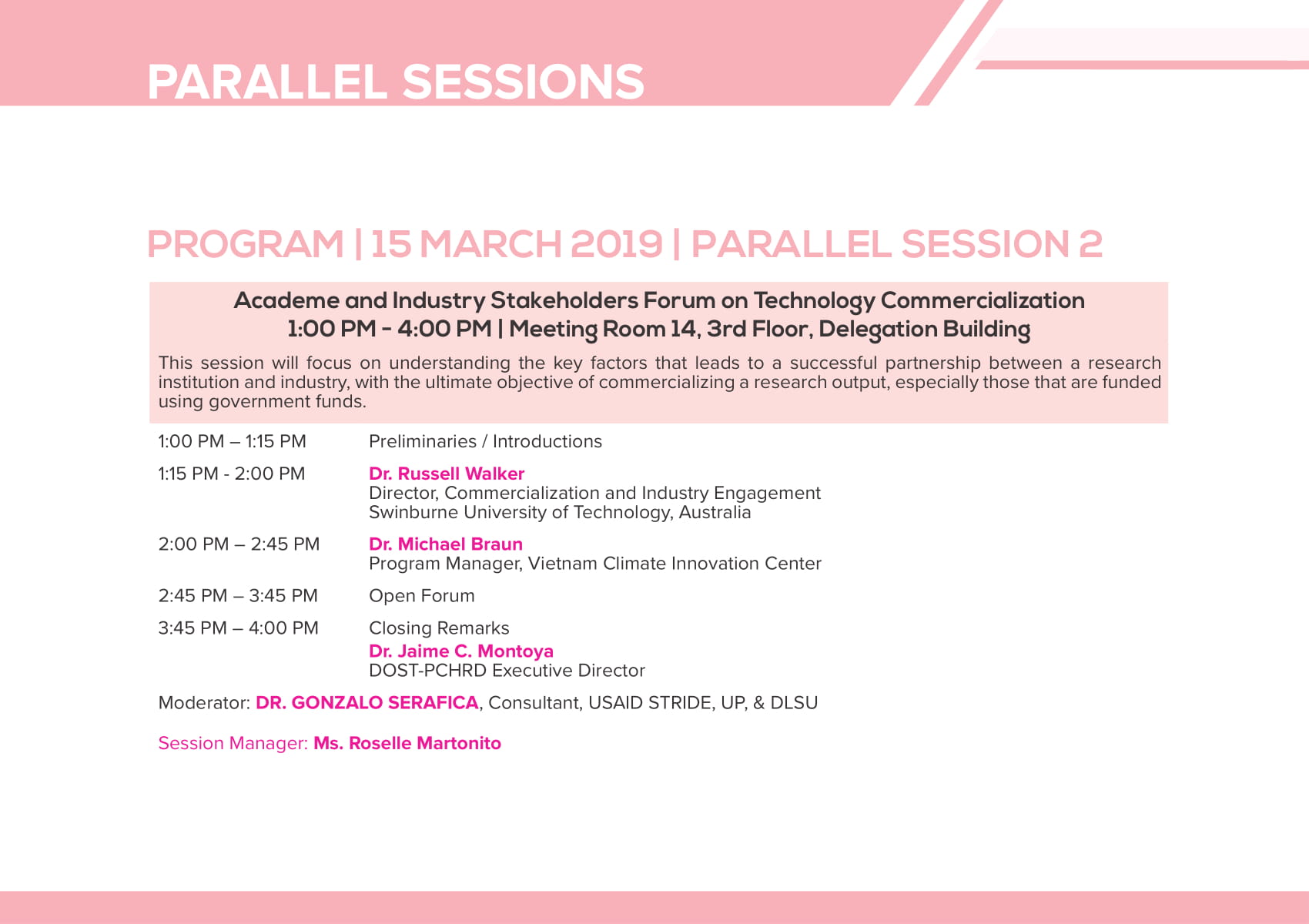
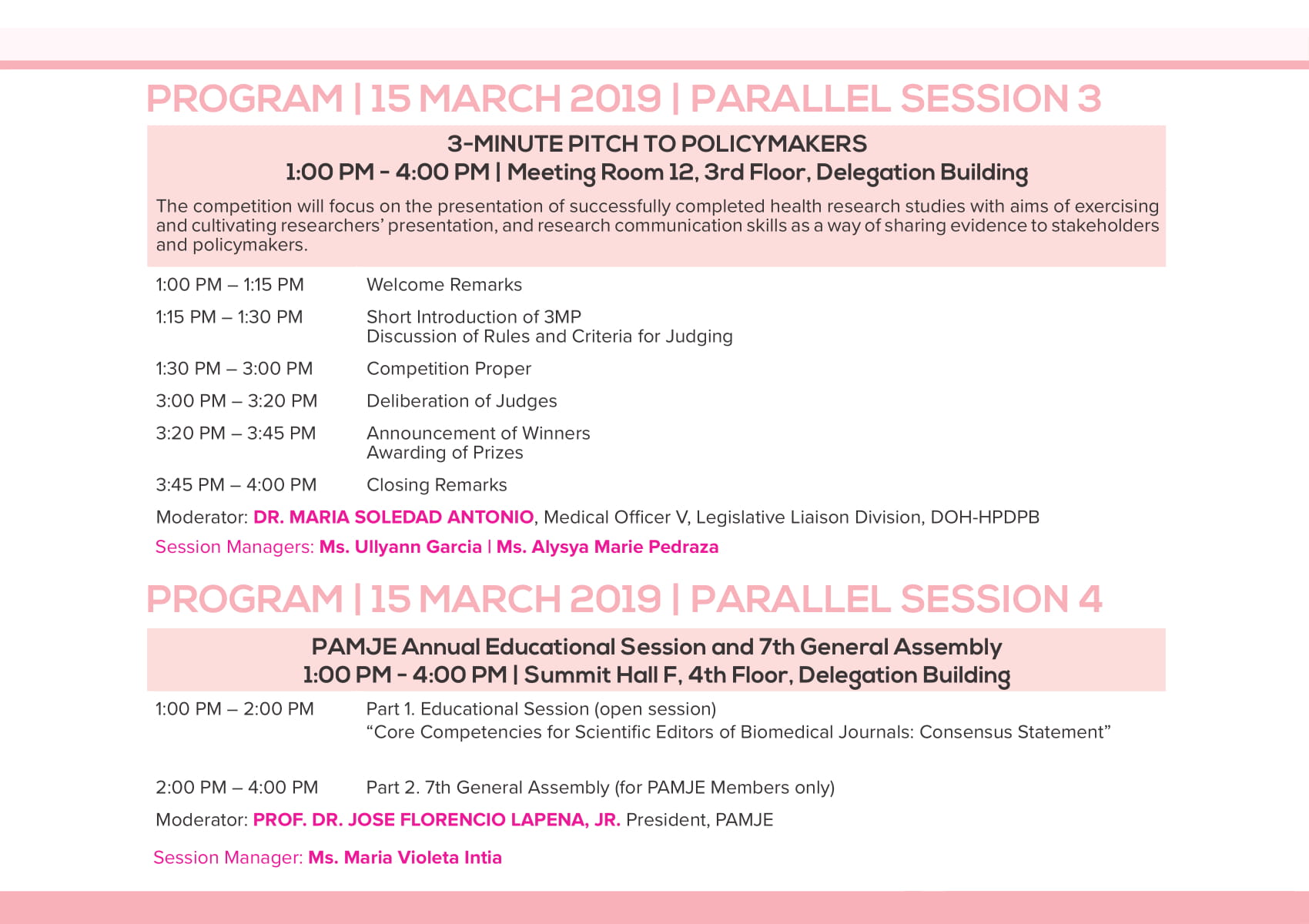
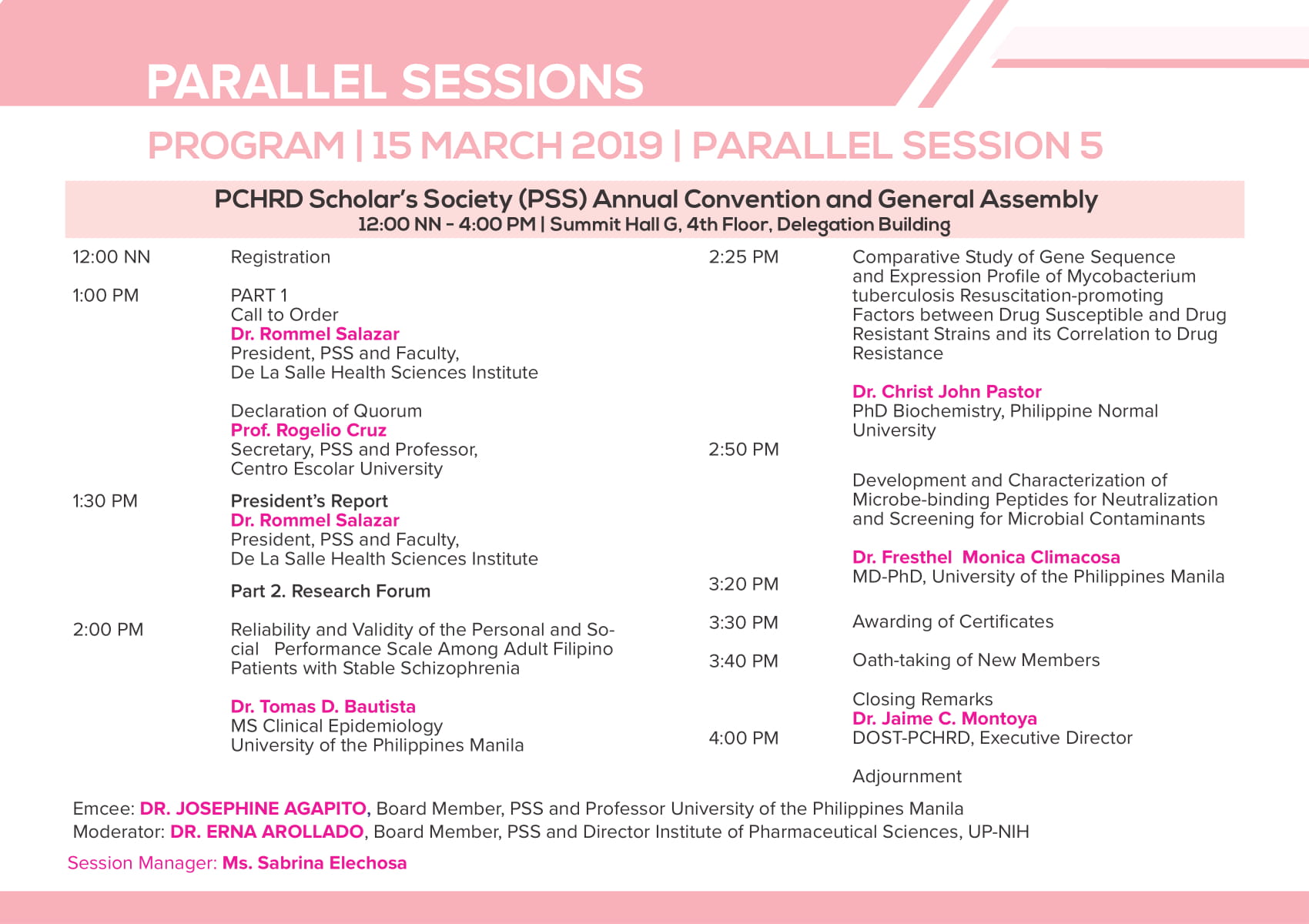
In the afternoon, five parallel sessions are organized as follows: Developing a Research-based Biomedical Device and Diagnostics Industry, Academe and Industry Stakeholders’ Forum on Technology Commercialization, 3-Minute Pitch to Policymakers, PAMJE Annual Educational Session and 7th General Assembly, and PCHRD Scholars Society General Assembly.

To know more about the event, you may download the program, visit www.pchrd.dost.gov.ph. and like us on Facebook (/dostpchrd) and follow us on Twitter (@DOST_PCHRD)!


Administrator
Latest News
23 August 2018
Hits: 5584

Three qualities of a good researcher - National Scientist Dr. Ernesto Domingo

  • Print
  • Email


“The single most important health problem in the world is not a disease but the problem of inequity within nations and among nations,” this was the striking message of National Scientist Dr. Ernesto Domingo during his keynote speech at Philippine National Health Research System (PNHRS) Week in Baguio City on 6-9 August 2018.

As a Ramon Magsaysay Foundation awardee, Dr. Domingo shared his experiences and the bigger role of being a scientist researcher in achieving universal healthcare and health equity. He said, “the conduct of research is certainly metamorphosing from the simple pleasure of knowing to the more heroic imperative of ameliorating.”

For Dr. Domingo, dedicated and passionate scientist-researchers are key to achieving universal health care. Based from his first hand experiences, he shared three qualities of a good researcher.

First,  a good researcher has  genuine interest to find answers. According to Dr. Domingo, although curiosity is a primordial engine of research, the researchers’ desire and conduct of work is also a factor in the generating beneficial research. He emphasized that a researcher intention should go beyond the material merits and pleasure instead should root from the pure desire and limitless energy to produce research results for the betterment of mankind.

Second, behind a good researcher is a good mentor. Dr. Domingo revealed that his mentor is Dr. Kenneth Warren, an American scientist, physician, educator, and public health advocate. Dr. Domingo narrated how he grew as a scientist under Dr. Warren’s mentorship.  As per Dr. Domingo, being a mentor doesn’t mean occasionally giving advice but endowing trust and confidence to the mentee. Dr. Domingo said, “A good nurturing environment or mentor is key in supporting, advocating, and facilitating the journey or career of a researcher.”

Finally,  researcher’s readiness to do hard work is the final key into becoming a successful researcher. Dr. Domingo stressed that productivity is not a product of brilliance but the ability of a researcher to absorb tremendous work.  Dr. Domingo explained that doing research is a lifetime commitment because it does not stop in getting  master and doctoral degrees. Instead, conducting research requires a lot of patience and determination to produce significant results that could lead to technological breakthroughs and other discoveries.

In closing, Dr. Domingo reiterated the important role of researchers in addressing issues in equity in health. Dr. Domingo’s experience serves as a testament that the quality of research you do depends on your character as a researcher. “The hardship you will encounter is nothing compared to the impact you will make into truly achieving equity in health. We must work together with genuine interest and passion to produce research for everyone.” 


Details
Written by Catherine Joy C. Dimailig
Created: 23 August 2018
  1. Call for Participation: 15th National Medical Writing Workshop and 8th Writeshop for Young Researchers
  2. 4 PCHRD MD-PhD Molecular Medicine Program scholars graduated
  3. 12th PNHRS week to highlight equity in health
  4. Boat referral system connects remote communities to maternity units

Page 11 of 59

  • Start
  • «
  • 6
  • 7
  • 8
  • 9
  • 10
  • 11
  • 12
  • 13
  • 14
  • 15
  • »
  • End

fb tw


feedback
PLEASE RATE YOUR EXPERIENCE IN USING THIS WEBSITE

Your rating

no rate selected


email is required

email is invalid

affiliation is required

affiliation is required

PCHRD LOGO small
Republic of the Philippines
Department of Science and Technology
Philippine Council for Health Research and Development
 
2/f Titanium Building, DOST MIRDC Compound
Gen. Santos Ave., Bicutan, Taguig City, 1631, Philippines
  • NUHRA
  • REGIONS
  • OPPORTUNITIES
  • News
  • About PNHRS
    • Organizational Chart
    • PNHRS
    • Objectives
    • Vision I Mission I Core Values
    • Strategy Map
    • History
    • Implementing agencies
    • Downloads
    • Gallery
    • TWC Update
    • About PNHRS Law